


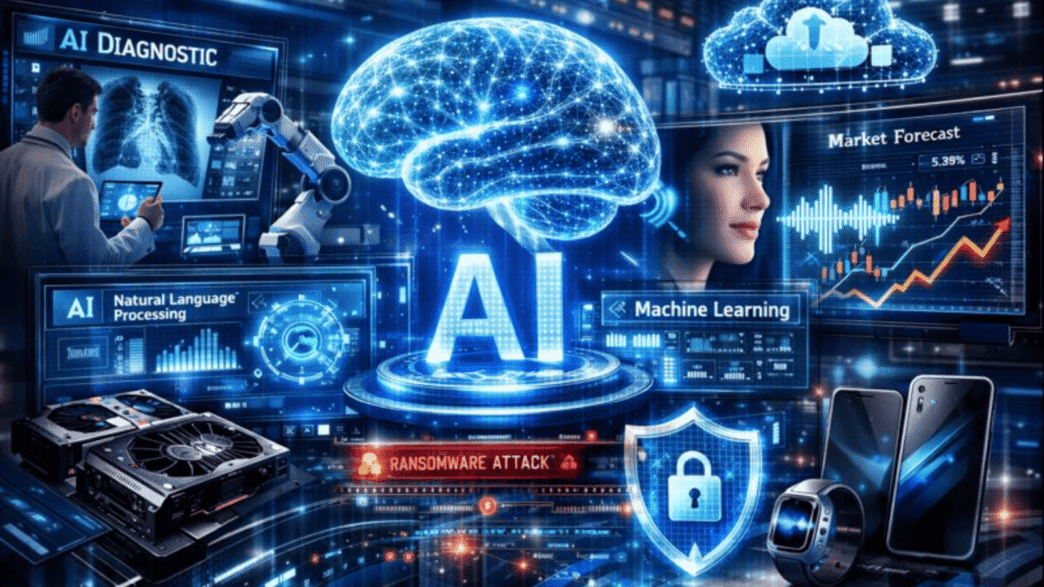
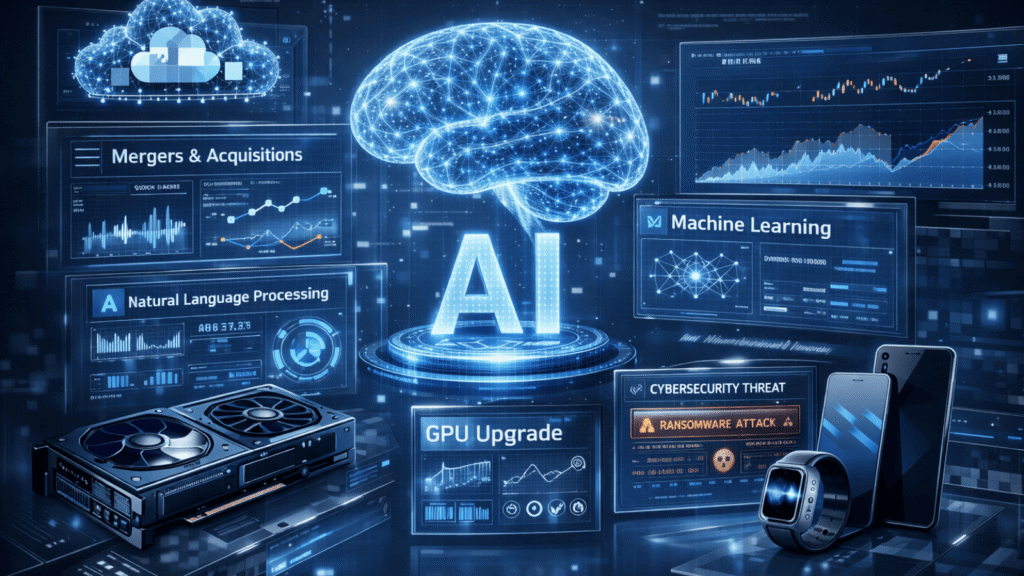
This past week, tech news include the field of artificial intelligence witnessed remarkable advancements that promise to reshape various industries significantly. Several tech giants made notable announcements regarding new tools and algorithms designed to enhance AI capabilities, driving innovation in sectors such as healthcare, finance, and more.
One of the most discussed releases was a state-of-the-art natural language processing tool developed by a leading tech company. This new AI platform is equipped with advanced algorithms that improve comprehension and generation of human-like text. Its ability to understand context better than previous iterations opens the door for improved customer service applications, including personalized communication in businesses. By accurately interpreting consumer queries, organizations can enhance their service offerings, paving the way for better consumer experiences.
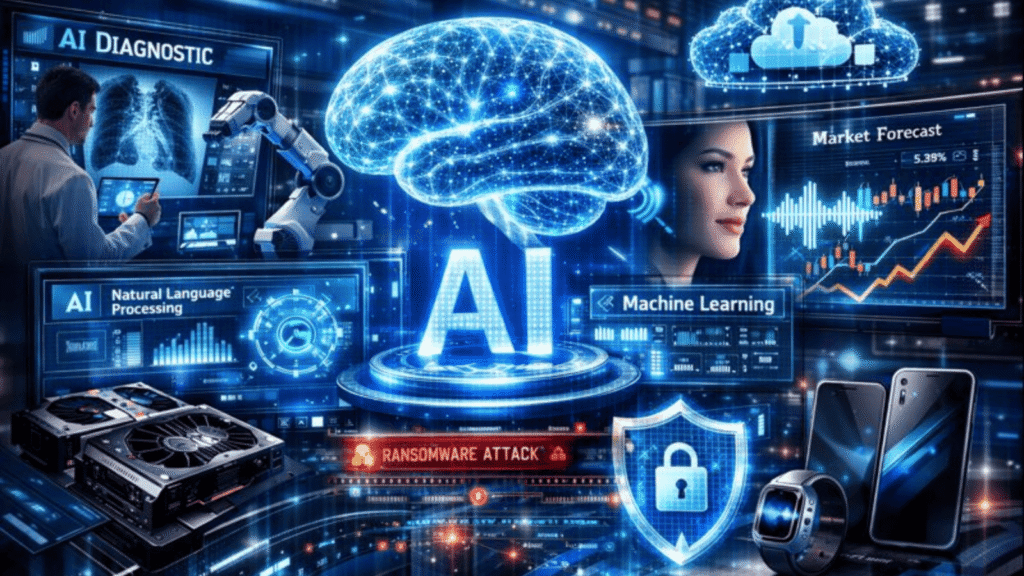
In addition to advancements in language processing, the healthcare sector is also keenly observing developments in AI-driven diagnostic tools. A renowned tech firm introduced an AI system that employs machine learning to analyze medical images, assisting radiologists in identifying conditions with greater accuracy. This tool not only improves diagnosis speed but also emphasizes early detection of critical health issues, potentially leading to better patient outcomes.
The finance industry is experiencing a similar evolution as AI tools designed for predictive analytics have emerged. These innovative algorithms can analyze vast sets of financial data, helping institutions make informed investment decisions and mitigate risks more effectively. With the integration of AI in financial services, companies can expect enhanced operational efficiencies and more strategic planning.
Overall, the recent advancements in AI demonstrate a clear trajectory toward more sophisticated applications across multiple industries. As these new tools and algorithms continue to develop, their potential to transform traditional practices will undoubtedly grow, driving progress and innovation in an increasingly digital world.
Major Tech News Acquisitions and Mergers
This week witnessed significant moves in the tech industry with several noteworthy mergers and acquisitions that promise to reshape the landscape of the market. Companies in various sectors have announced large-scale acquisitions, positioning themselves for increased competitiveness and innovation.
One of the most notable deals involved TechCorp acquiring DataSolutions for $1.5 billion. This acquisition underscores TechCorp’s strategic initiative to bolster its data analytics capabilities, which are increasingly critical in today’s data-driven economy. By integrating DataSolutions’ advanced technology, TechCorp aims to enhance its service offerings to clients, potentially increasing market share in the competitive analytics sector.
Additionally, the merger between SoftwareGiant and CloudWorks has created a powerful entity in the cloud computing domain. This collaboration is expected to yield substantial synergies, allowing for streamlined operations and enhanced product offerings in cloud services. The impetus behind this merger revolves around the rising demand for scalable cloud solutions, with both companies recognizing the need to innovate and expand their technological prowess.
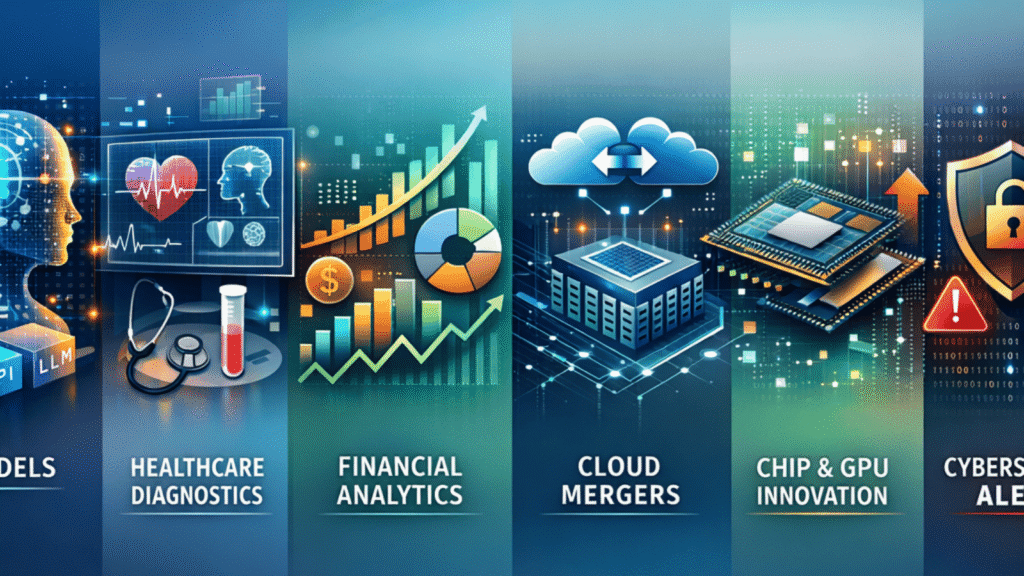
Furthermore, the acquisition of AI Innovations by FutureTech is another critical development aimed at advancing artificial intelligence applications across multiple industries. FutureTech’s investment in AI Innovations valorizes its commitment to harnessing emerging technologies and reinforcing its position as a leader in intelligent solutions. By absorbing AI Innovations, FutureTech anticipates accelerating the integration of AI tools into its existing products, paving the way for advancements in automation and machine learning.
These strategic acquisitions reflect a broader trend within the tech industry, highlighting the importance of innovation, collaboration, and the continuous effort to adapt to the fast-evolving market demands. As companies consolidate their strengths through mergers and acquisitions, stakeholders can expect a more dynamic and competitive environment that fosters innovation across various sectors.
Innovations in Hardware and Software
This week witnessed remarkable advancements in both hardware and software, shaping the landscape of technology. A standout release was the latest graphics processing unit (GPU) by renowned manufacturers, heralded for its increased performance and efficiency. This GPU integrates cutting-edge architecture that potentially doubles the processing power, allowing gamers and professionals to experience incredibly realistic graphics and improved computational tasks.
In the realm of software, a crucial update to a popular operating system was unveiled, focusing on enhancing user security and accessibility. This update includes built-in privacy features that streamline the user experience while protecting personal data against potential breaches. Furthermore, the software now supports a wider array of third-party applications, significantly boosting compatibility and user choice, while fostering a more versatile digital environment.
Another noteworthy innovation is the introduction of a smart home device equipped with advanced artificial intelligence. This device not only serves its primary function but also learns user behavior over time, adapting to preferences and improving functionality. This development in smart technology underscores a trend of integration and personalization, promising to enhance everyday life for the average consumer.
Moreover, technological innovations in mobile devices were also highlighted, particularly the roll-out of a new smartphone boasting a state-of-the-art camera system designed to capture images with unprecedented detail and clarity. This development aims to bridge the gap between professional photography and casual cell phone usage, making it easier for individuals to document life’s moments with high-quality captures.
Cybersecurity Alerts and Data Breaches
This week, the cybersecurity landscape experienced several notable threats and breaches, highlighting an urgent need for heightened security measures. One of the most significant incidents involved a ransomware attack on a multinational corporation, which compromised sensitive customer data, leading to considerable operational interruptions. Such data breaches emphasize the vulnerabilities that even well-established companies face in today’s digital age.
Another alarming development was the discovery of vulnerabilities in widely-used software. Security researchers identified several critical flaws that could potentially allow cybercriminals to execute unauthorized access or deploy malware. This situation serves as a stark reminder that organizations must regularly assess their systems and maintain effective patch management protocols to mitigate risks.
Furthermore, phishing attacks remained prevalent this week, preying on unsuspecting individuals and businesses alike. Experts reported a surge in deceptive emails designed to steal personal information or infect systems with malware. These incidents underline the importance of user education and awareness in recognizing fraudulent communications.
In light of the recent cybersecurity threats, it is essential for both individuals and organizations to adopt best practices to enhance their security posture. Implementing multi-factor authentication (MFA) can significantly reduce the risk of unauthorized access. Regularly updating software and systems can also help to close security gaps that cybercriminals may exploit.
Moreover, creating a culture of cybersecurity awareness through training programs can empower employees to recognize potential threats and respond appropriately. Organizations should also establish a solid incident response plan, ensuring they are prepared to act swiftly in the event of a breach. By adopting these proactive measures, users and companies can better protect themselves against the increasingly sophisticated nature of cyber threats in the current technological environment.