

 By
By Choosing the best hiking boots in 2026 is no longer as simple as picking the nicest pair on the shelf. Modern hiking footwear has evolved significantly, offering better comfort, lighter materials, improved waterproofing, and enhanced traction without sacrificing durability.
Whether you’re planning a weekend trek, a multi-day backpacking adventure, or challenging mountain hikes, the right hiking boots can make the difference between an enjoyable experience and a painful one. In this guide, we’ll explain what makes great hiking boots, how to choose the right pair, and which features matter most for today’s hikers.
Why Investing in Quality Hiking Boots Matters?
Many beginners underestimate the importance of proper hiking boots. While casual walking shoes may work on easy trails, rough terrain demands footwear specifically designed for outdoor conditions.
Good hiking boots provide:
- Ankle support on uneven terrain
- Improved traction on rocks, mud, and loose gravel
- Protection from sharp objects and trail debris
- Better stability when carrying a backpack
- Enhanced comfort during long-distance hikes
According to the U.S. National Park Service, appropriate footwear is one of the most important pieces of equipment for hiking safety and injury prevention.
The reality is simple: your feet carry you through every mile. If they hurt, the entire hike becomes less enjoyable.
What Makes the Best Hiking Boots in 2026?
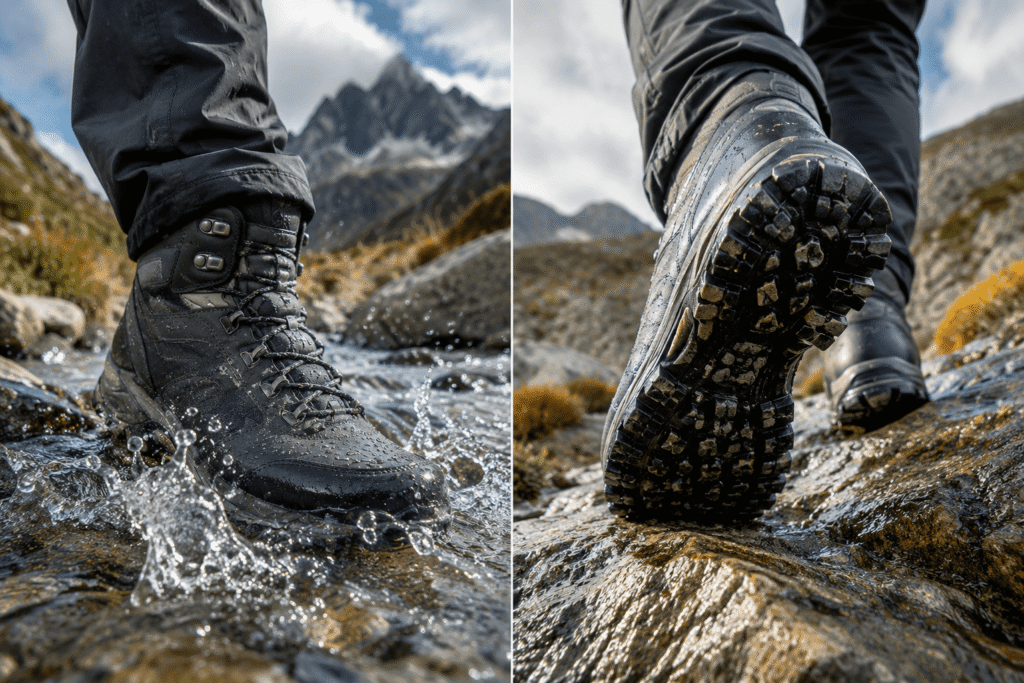
The best hiking footwear today balances performance, comfort, and durability. Manufacturers continue to focus on reducing weight while maintaining protection and support.
Here are the key features to look for.
Waterproof Protection
Waterproof membranes remain one of the most sought-after features in hiking boots.
Many premium models use technologies such as Gore-Tex to help keep feet dry in wet conditions while still allowing some breathability.
Waterproof hiking boots are particularly useful for:
- Rainy-weather hikes
- Mountain trails
- Stream crossings
- Snow-covered paths
However, hikers in hot climates may prefer non-waterproof options because they often offer better ventilation.
Traction and Grip
Trail conditions can change quickly. One moment you’re walking on packed dirt; the next you’re crossing wet rocks or loose scree.
Look for hiking boots with:
- Deep lug patterns
- High-quality rubber outsoles
- Reliable grip in wet and dry conditions
Many leading outdoor brands use proprietary traction systems specifically designed for technical terrain.
Comfort and Fit
Comfort remains the most important factor when selecting hiking boots.
A boot can have every advanced feature available, but if it doesn’t fit properly, it won’t perform well.
When trying on hiking boots:
- Wear your hiking socks
- Ensure adequate toe room
- Check for heel slippage
- Walk on inclines if possible
- Test both boots thoroughly
The American Academy of Orthopaedic Surgeons notes that proper footwear fit plays a major role in preventing foot injuries and discomfort during physical activities.
Weight
Modern hiking boots are significantly lighter than models from a decade ago.
Today’s hikers often prefer lightweight hiking boots because they reduce fatigue during long treks.
Research from sports science studies has consistently shown that additional weight on the feet increases energy expenditure more than carrying the same weight on the torso.
That doesn’t mean lighter is always better. Backpackers carrying heavy loads may still benefit from more supportive boots.
Types of Hiking Boots
Not all hiking boots are built for the same purpose.
Understanding the different categories helps narrow your options.
Lightweight Hiking Boots
These are ideal for:
- Day hikes
- Weekend adventures
- Well-maintained trails
Advantages include:
- Faster break-in periods
- Greater comfort
- Reduced fatigue
Many hikers transitioning from trail running shoes find lightweight hiking boots a natural progression.
Midweight Hiking Boots
Midweight hiking boots offer a balance between support and mobility.
They’re suitable for:
- Multi-day hikes
- Moderate backpacking trips
- Mixed terrain
For most outdoor enthusiasts, this category represents the sweet spot.
Heavy-Duty Backpacking Boots
These boots prioritize support and durability.
They’re designed for:
- Heavy backpacks
- Rugged mountain terrain
- Extended expeditions
Although heavier, they provide maximum stability and protection.
Best Hiking Boots Features to Prioritize
The ideal hiking boots depend on your intended use, but several features consistently stand out.
Ankle Support
Ankle support can be valuable on technical terrain and when carrying additional weight.
Higher-cut hiking boots help stabilize the ankle, though modern footwear design has sparked ongoing debate regarding how much support is truly necessary.
For rough terrain, many hikers still prefer mid- or high-cut boots.
Breathability
Sweaty feet can cause discomfort and increase the risk of blisters.
Look for:
- Breathable mesh panels
- Moisture-wicking linings
- Ventilation features
Hikers in warm climates often prioritize airflow over maximum waterproofing.
Durability
The best hiking boots should withstand years of use.
Common durable materials include:
- Full-grain leather
- Nubuck leather
- Synthetic reinforcements
- High-abrasion fabrics
While leather boots often last longer, synthetic models typically weigh less.
Cushioning
Modern midsoles provide improved shock absorption and comfort.
Quality cushioning helps reduce fatigue during:
- Long descents
- Rocky terrain
- Multi-day hikes
Many premium hiking boots now incorporate advanced foam technologies similar to those found in running shoes.
How to Choose the Right Hiking Boots?
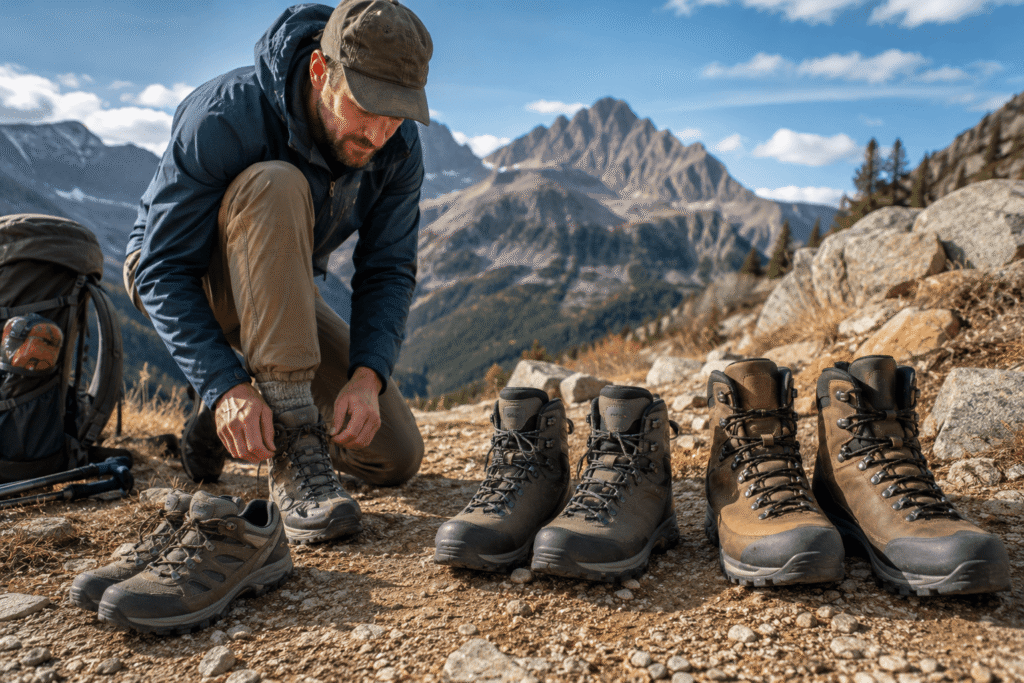
Choosing the best hiking footwear starts with understanding your hiking style.
Ask yourself:
How Often Do You Hike?
Occasional hikers may not need premium expedition-grade boots.
Regular hikers who spend dozens of days on trails each year often benefit from investing in higher-quality models.
What Terrain Do You Explore?
Terrain significantly influences footwear requirements.
For example:
| Terrain | Recommended Footwear |
|---|---|
| Easy trails | Lightweight hiking boots |
| Mixed terrain | Midweight hiking boots |
| Rocky mountains | Supportive backpacking boots |
| Snow and wet conditions | Waterproof hiking boots |
How Much Weight Do You Carry?
The heavier your backpack, the more support your boots should provide.
Backpackers carrying multi-day gear often choose sturdier boots than day hikers.
Common Mistakes When Buying Hiking Boots
Many hikers make avoidable mistakes during the buying process.
Choosing Style Over Fit
Outdoor footwear should fit properly before anything else.
A comfortable boot with fewer features is usually a better choice than an uncomfortable premium model.
Ignoring Break-In Time
While many modern hiking boots require minimal break-in, some models still need several hikes before reaching peak comfort.
Never attempt a major trek with completely untested footwear.
Buying the Wrong Size
Feet often swell during long hikes.
Outdoor retailers frequently recommend trying boots later in the day when feet are naturally larger.
This helps ensure a more accurate fit.
Forgetting About Socks
Hiking socks play a major role in comfort and blister prevention.
Always test hiking boots with the socks you intend to wear on the trail.
Hiking Boots vs Trail Running Shoes
This debate continues among outdoor enthusiasts.
Trail running shoes offer:
- Lower weight
- Faster movement
- Excellent breathability
Hiking boots offer:
- Greater protection
- Better durability
- More support for heavy loads
Many experienced hikers now use trail runners for lightweight adventures and reserve hiking boots for demanding terrain or backpacking trips.
The right choice depends on your objectives rather than current trends.
Caring for Your Hiking Boots
Proper maintenance extends the lifespan of your footwear.
After each hike:
- Remove dirt and debris.
- Clean with mild water and a soft brush.
- Air dry naturally.
- Avoid direct heat sources.
- Reapply waterproof treatments when needed.
According to outdoor gear manufacturers and maintenance experts, proper cleaning helps preserve waterproof membranes and outsole performance over time.
Final Thoughts
The best hiking boots in 2026 combine comfort, durability, traction, and weather protection without unnecessary weight. There is no universal “best” boot for every hiker. The right choice depends on your terrain, hiking frequency, load weight, and personal fit preferences.
Focus on fit first, then evaluate features such as waterproofing, support, traction, and durability. A well-fitted pair of hiking boots can provide years of reliable performance and make every mile more enjoyable.
Whether you’re tackling local trails, planning a national park adventure, or preparing for a multi-day backpacking trip, investing in quality hiking footwear remains one of the smartest decisions any hiker can make.